
Church planting is one of the most exhilarating, challenging, and incredible journeys you can experience.
But for those sensing the tug of God on their hearts to start a new church, a pressing question emerges: “Who am I that God would call me?” and then “When am I ready to plant a church?”
For many, the answer is not as straightforward as a simple date on the calendar, or even a gut feeling. Readiness is not about age, position, or even natural ability—it is about preparation, spiritual maturity, and alignment with God’s calling.
I know from experience that those who are “kicking the tires” of ministry discover this call is a journey; it can take years, times of growth, and discernment.
This call to ministry is both internal and external.
This internal passion is a Spirit-led aspiration for God’s work that morphs over time and will deepen in your soul. It is arresting to your soul but not a loud voice.
It is like what the prophet Jeremiah said, “His message becomes a fire burning in my heart, shut up in my bones. I become tired of holding it in, and I cannot prevail.” (Jeremiah 20:9).
Then there is also an external piece. One of the great classic books I return to quite often is Charles Spurgeon’s “Lectures to My Students” where he speaks of both an inward call and outward confirmation.
Spurgeon suggests that the church objectively assess the individual but that the individual should humbly and willingly be evaluated by the church for the purposes of pastoral ministry. Churches qualify the qualified.
Based on Spurgeon’s lecture on calling, he summarizes them into six questions Spurgeon would ask an aspiring pastor or in this case a planter…
1. Is the desire unshakeable? Do you think about it often?
2. Is the desire pure, with the motive being the glory of God?
3. Is the desire enduring? Not just a flash moment of inspiration?
4. Can you preach and teach? Are people helped by it?
5. Can you pastor and lead?
6. Are you a soul-winner? Have you led people to faith in Christ?
Spurgeon prioritized the confirmation of the individual’s ability to communicate God’s Word through preaching. Similarly, Paul in 1 Timothy 3 identifies the ability to teach as a necessary skill.
However, 1 Timothy 3 also describes 14 to 15 character qualities that are essential to ministry. These are not skills or talents as much as character traits. Character is not something we are born with but is forged, discipled, and developed.
We love the stories of Joseph, Moses, David, and Paul where we see God do incredible things through their lives. But turning the page to a new chapter in the Bible takes five minutes to read but each of these called men experienced years of a process where God prepared them before He promoted them.
Character must be developed before influence can be trusted. We all want the blessing of God, but we must understand God’s process. God’s process is where humility is built.
It’s where dependence is developed.
It’s where pride is exposed.
It’s where leadership is formed.
It’s where your identity becomes anchored in Christ instead of outcomes of success.
God’s waiting room is often His training room that shapes us into the vessel useful to the Master.
This call to ministry is not only internal but external.
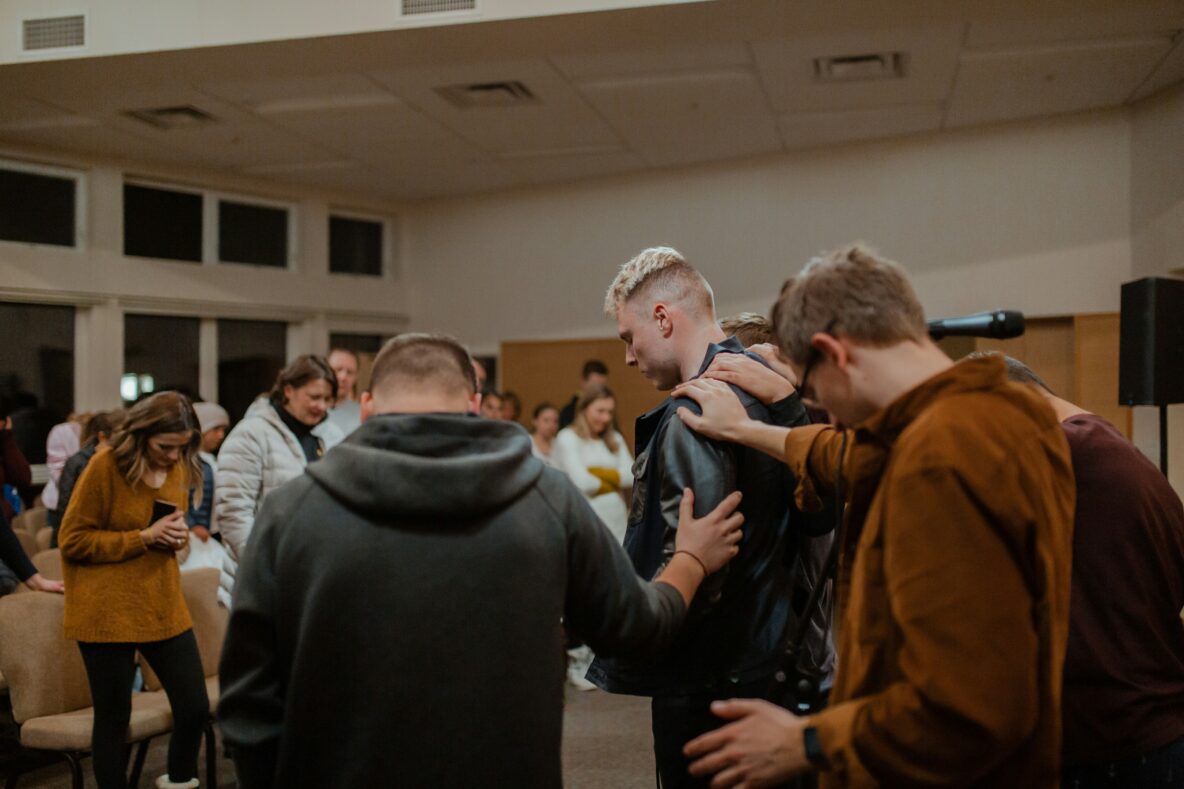
The local church must affirm and qualify the qualified. The Lord calls but the leaders and the people of the church recognize and affirm. This does not mean you are seeking people’s approval, applause, or permission to church plant or to be in ministry. However, if God is calling you then the Spirit should speak to others to confirm your calling.
This is an external affirmation of the internal call. As someone serves in the ministry opportunities God provides, people will recognize the calling by the character they observe, the gifts that are evident and the fruit that comes.
Is God calling you? Contact your pastor, get involved in ministry, and continue to walk with God as He develops you for His glory.
These are great days that we expect our God to call out the called!
About the Author
